The Future of Learning
High-Intermediate/Advanced
Here is a summary of what the experts say will be future of education.
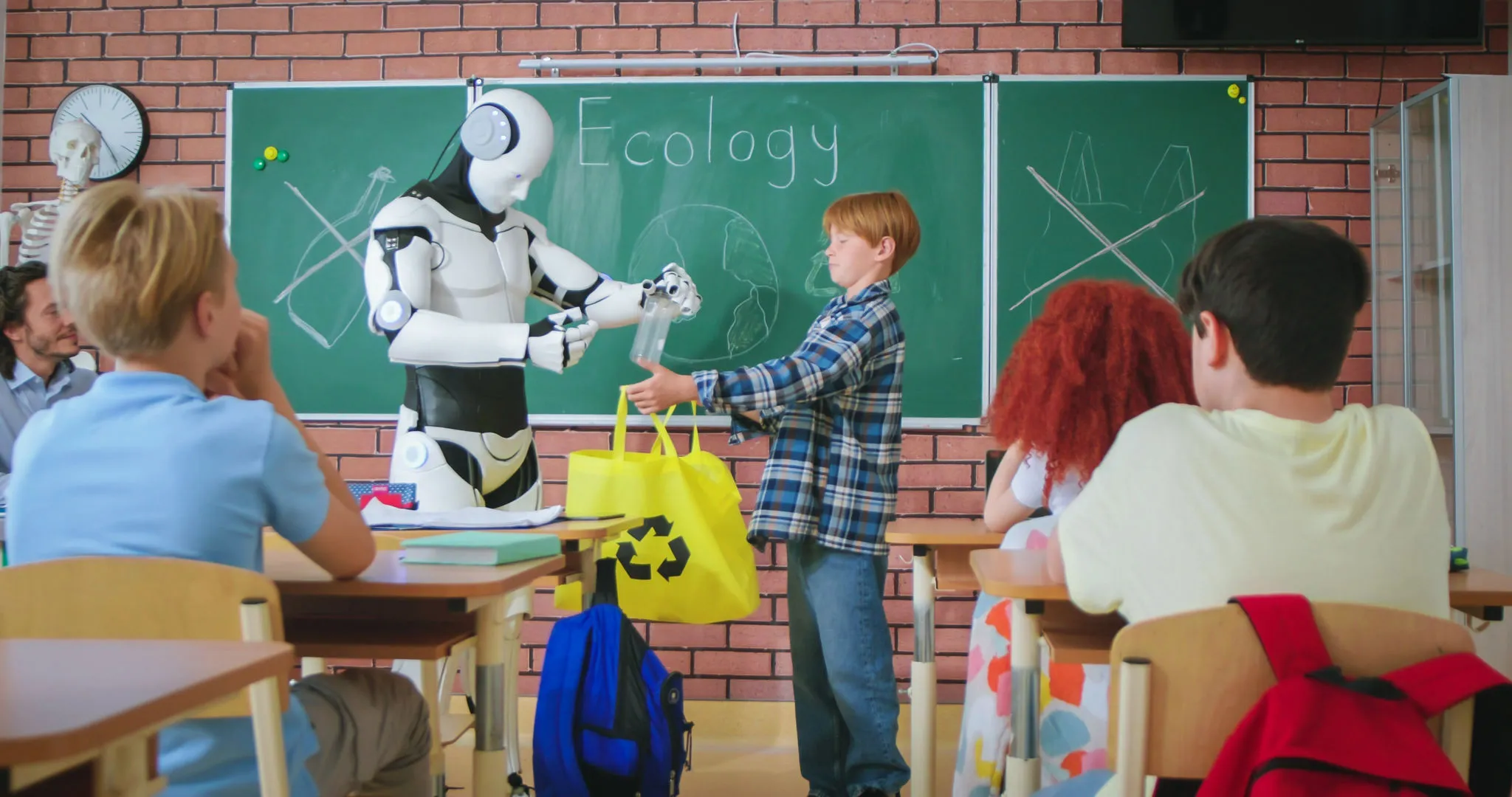
Education is shifting from rigid, content-based memorization to dynamic, goal-oriented learning. As AI handles information retrieval, the focus is moving from what you know to what you can do and who you can become. This transition prioritizes student agency, practical problem-solving, and lifelong adaptability.
From Standardized to Personalized Objectives
- Traditional Model: Standardized curricula dictate that every student consumes the same content at the same pace, with success measured by the ability to recall facts on tests.
- Goal-Oriented Model: Students identify specific, meaningful objectives. Learning becomes a highly individualized pathway where the curriculum serves as a resource to help them achieve their unique targets rather than a finish line.
The Shift in Focus
| Focus Area | Content Learning (Traditional) | Goal-Oriented Learning (Future) |
|---|---|---|
| Primary Driver | Memorizing fixed information and curricula | Active problem-solving and application |
| Pacing | Lock-step pacing (everyone moves together) | Self-paced progression tailored to individual goals |
| Assessment | Standardized testing and grades | Project-based demonstrations, portfolios, and outcomes |
| Role of Educator | Imparter of knowledge | Learning architect, mentor, and guide |
Drivers of the Shift
- Information Abundance: Because the internet and AI provide instant access to vast amounts of human knowledge, rote memorization is no longer a competitive advantage.
- Real-World Relevance: Employers and communities prioritize adaptable skills—such as critical thinking, collaboration, and systemic problem-solving—to tackle complex, 21st-century issues.
- The Science of Learning: Cognitive psychology and neuroscience increasingly emphasize that active learning and clear goal-setting improve critical decision-making and long-term retention.
Frameworks Shaping the Future
- OECD Learning Compass 2030: Emphasizes student agency, well-being, and the ability to navigate through unfamiliar contexts independently.
- Outcome-Based Education (OBE): Centers the educational system around the tangible competencies students can demonstrate upon completing a course or program.
- Lifelong Learning: Acknowledges the rapid obsolescence of technical skills, requiring individuals to continually set new learning goals throughout their lives.
thumb_upLike